
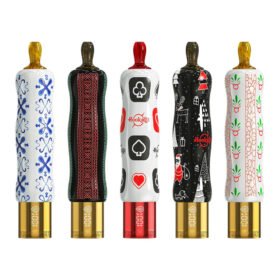
 Olit Hookalit S 35K
 OLIT HOOKALIT 40000 PUFFS
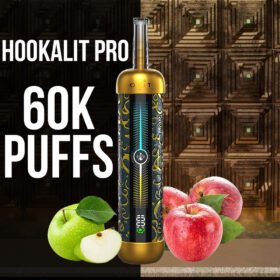 Olit Hookalit Pro 60K Puffs
Blog
Olit Vape Hardware Longevity: Do They Hit Strong Until the Final Puff?
Oct
Table of Contents
- The Challenge of End-of-Life Vape Performance
- How Hardware Architecture Influences Longevity
- Understanding Voltage Regulation and Battery Discharge
- Mesh Coil Degradation and Saturation Mechanics
- High-Capacity Liquid Delivery Systems
- Airflow Dynamics and Heat Dissipation
- Evaluating Longevity Across High-Puff Devices
- Practical Steps to Extend Device Performance
Many disposable vaping devices start out delivering dense vapor and sharp flavor, only to fade slowly over time. As the e-liquid reservoir drains and the internal battery goes through multiple recharge cycles, the punch of each draw often weakens. Vapers frequently experience a drop in vapor production, reduced warmth, and muted flavor profile long before the device actually runs empty.
Evaluating the internal engineering of an Olit Vape reveals how modern disposable hardware handles output drop-off. Keeping every hit consistent from start to finish takes smart power management, reliable wicking materials, and stable mesh coils. Looking at these internal components helps clarify whether massive high-capacity devices can really hold their power output throughout their entire life.
How Hardware Architecture Influences Longevity
A device’s functional lifespan depends on far more than just battery size or juice capacity. Every internal component—from the regulating chipset to the cotton wick—must work in sync without breaking down under continuous heat. When hardware components degrade unevenly, vapor density plummets and throat hit becomes unpredictable.
When using high-capacity gear like the OLIT HOOKALIT 40000 PUFFS, maintaining steady vapor output relies heavily on an integrated constant-voltage circuit. Standard unregulated batteries output less voltage as their power drains, which makes draws feel progressively weaker. Controlled power delivery makes sure the heating element receives uniform power whether the battery sits at 100% or is nearly ready for a recharge.
Understanding Voltage Regulation and Battery Discharge
Rechargeable disposable devices depend on lithium-ion battery cells built to handle frequent charging. However, normal chemical discharge lowers voltage over time if left unmanaged. Without active regulation onboard, a coil firing at full output early on will lose warmth and cloud production as battery levels decrease.
Regulated chipsets solve this drop by managing power delivery to maintain target wattage throughout the charge cycle. That means the electrical output sent to your mesh coil stays virtually identical from your morning draw to the final puff before plugging into a charger. Keeping output power steady avoids thin draws and preserves consistent flavor delivery.
Mesh Coil Degradation and Saturation Mechanics
The internal coil acts as the core engine for any vape setup. Traditional thin-wire coils focus heat onto small spots, which can scorch surrounding cotton over long periods of use. Mesh coils distribute heat across a wider surface area, reducing thermal strain on individual wicking fibers.
In heavy-duty configurations like the Olit Hookalit Pro 60K Puffs, dual mesh coil setups share the thermal load to protect internal components. Spreading heat evenly across dual mesh surfaces prevents sweetener buildup from caramelizing too quickly on the cotton. This setup helps the wicking material absorb liquid smoothly, preventing dry draws even after tens of thousands of cycles.
High-Capacity Liquid Delivery Systems
Managing large volumes of e-liquid introduces unique fluid dynamics challenges. As the main chamber empties, changing gravity and surface tension alter how liquid travels to the heating chamber. If saturation slows down, dry metal heats up without enough moisture, producing harsh draws and burnt tastes.
Ultra-high-capacity platforms, such as the OLIT Hookalit 200K Puff Disposable, rely on multi-channel wicking structures paired with internal chamber baffling. These layout choices keep e-liquid feeding steadily into the core, even when fluid levels run low. Maintaining proper wick saturation prevents dry spots from forming on the coil mesh, keeping flavor quality smooth.
Airflow Dynamics and Heat Dissipation
Airflow design plays an equally vital role in protecting coil lifespan and keeping vapor dense. Excess intake air cools the heating surface down too fast, causing thin clouds. Restricted airflow traps heat around the chamber, which can scorch e-liquid and ruin flavor clarity.
- Direct Mesh Channels: Direct incoming air straight over the coil structure to cool the metal evenly and pull vapor smoothly into the mouthpiece.
- Adjustable Intake Valves: Allow you to customize draw resistance to balance vapor warmth and cloud production.
- Internal Heat Dissipation: Structural materials absorb excess ambient heat during long sessions, protecting sensitive circuit boards.
Balancing smooth airflow with steady power delivery keeps vapor warm enough for rich taste while preventing overheating.
Evaluating Longevity Across High-Puff Devices
Real-world longevity comes down to how well a device maintains its original vapor quality over days or weeks of use. Measuring cloud density, draw resistance, and battery stability shows how hardware holds up over time.
Key factors that keep long-lasting devices firing strong include:
- Regulated Power Chipsets: Maintain steady output regardless of current battery charge state.
- Durable Wicking Materials: High-grade cotton fibers resist heat degradation over extended periods.
- Resilient Battery Cells: Built to handle multiple USB-C recharges without losing overall energy capacity.
- Built-in Status Screens: Give clear updates on battery charge and liquid levels so you always know where your device stands.
Exploring the full Olit Vape Collection highlights a clear emphasis on solid construction designed to endure continuous daily use. Combining regulated internal circuitry with durable mesh coils allows these devices to deliver clean, strong hits from the first draw to the last.
Practical Steps to Extend Device Performance
While built-in hardware handles power distribution, basic daily habits help protect your vape’s lifespan. Taking a brief pause between long, consecutive draws gives the internal cotton time to re-saturate with e-liquid. Charging your device with standard 5V wall adapters prevents overheating the internal battery during recharge cycles.
Keeping your device stored upright ensures e-liquid stays positioned right over the wick intake ports. Simple care habits work alongside sturdy hardware to ensure every puff stays warm, rich, and satisfying throughout the life of the unit.
How many puffs does an Olit Vape deliver?
Olit Vape models range from 40,000 to 200,000 puffs depending on the specific device series, draw style, and power mode selection.
How do you charge an Olit Vape device?
Plug a standard USB Type-C cable into the charging port on the device and connect it to a power source until the LED display shows a full charge.
